From SDCI Permit Tree Tracking
What Seattle is losing, by species
Counts below come directly from the trees recorded as removed on Seattle construction and land use permits. Public tree notices don't list species, so this view reflects permitted removals only.
Most-removed species
- 1Bigleaf MapleAcer macrophyllum577
- 2Douglas FirPseudotsuga menziesii455
- 3Western Red CedarThuja plicata329
- 4Lawson's CypressChamaecyparis lawsoniana310
- 5Cherry/Plum/LaurelPrunus sp.309
- 6European White BirchBetula pendula302
- 7Leyland CypressCupressus x leylandii245
- 8English HollyIlex aquifolium232
- 9Japanese MapleAcer palmatum202
- 10Western HemlockTsuga heterophylla170
- 11Orchard Apple or CrabappleMalus sp.151
- 12BirchBetula sp.145
- 13Black LocustRobinia pseudoacacia141
- 14Lombardy PoplarPopulus nigra 'Italica'138
- 15AppleMalus domestica135
Native trees in the records
Illustrated profiles of Puget lowland natives that appear in the permit data. Removal counts and largest recorded trunk are live from the City's records.
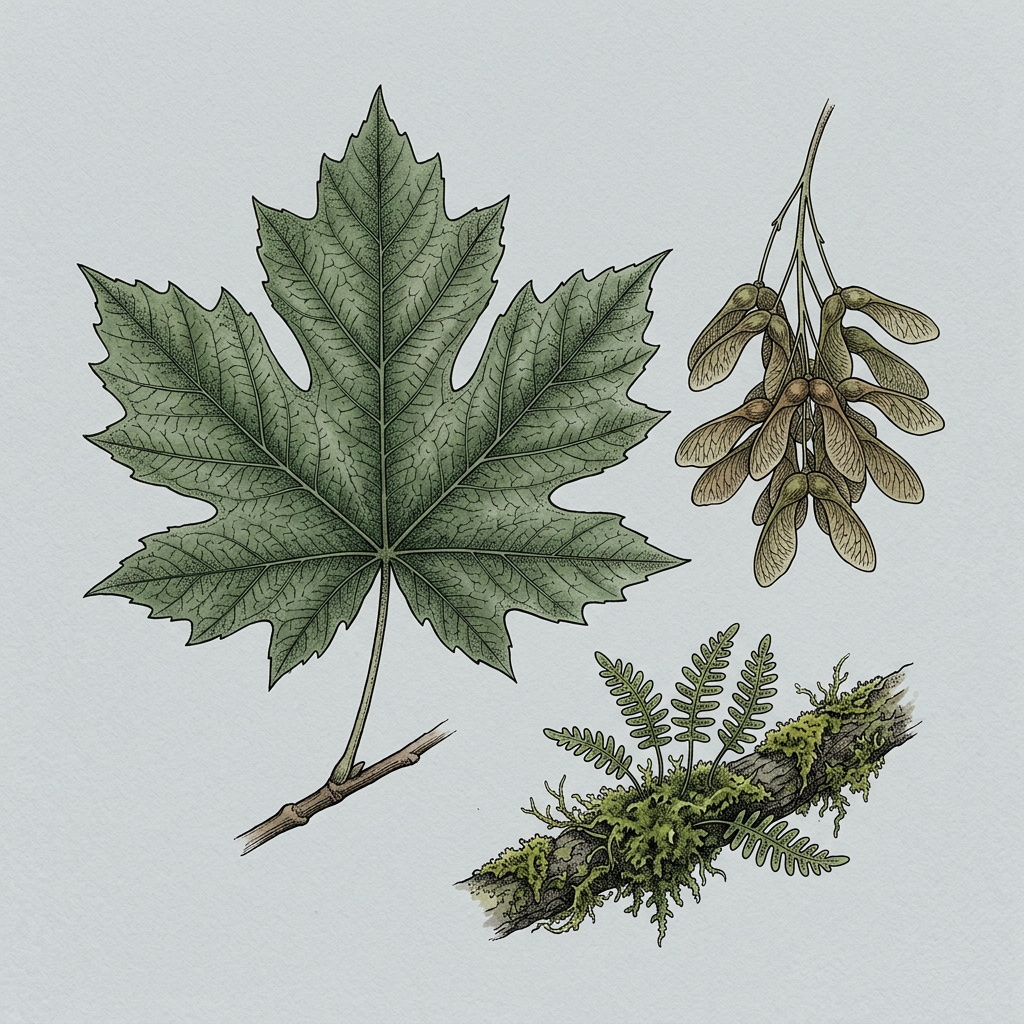
Broadleaf
Bigleaf Maple
Acer macrophyllum
- Removed on permits
- 577
- Largest recorded
- 75"
Identify: The largest leaves of any maple, often wider than a dinner plate, with winged seeds that spin down in fall.
Mature trunks carry gardens of moss and licorice fern, holding rainwater and habitat high in the canopy. Its wood was carved into canoe paddles.
See bigleaf maple records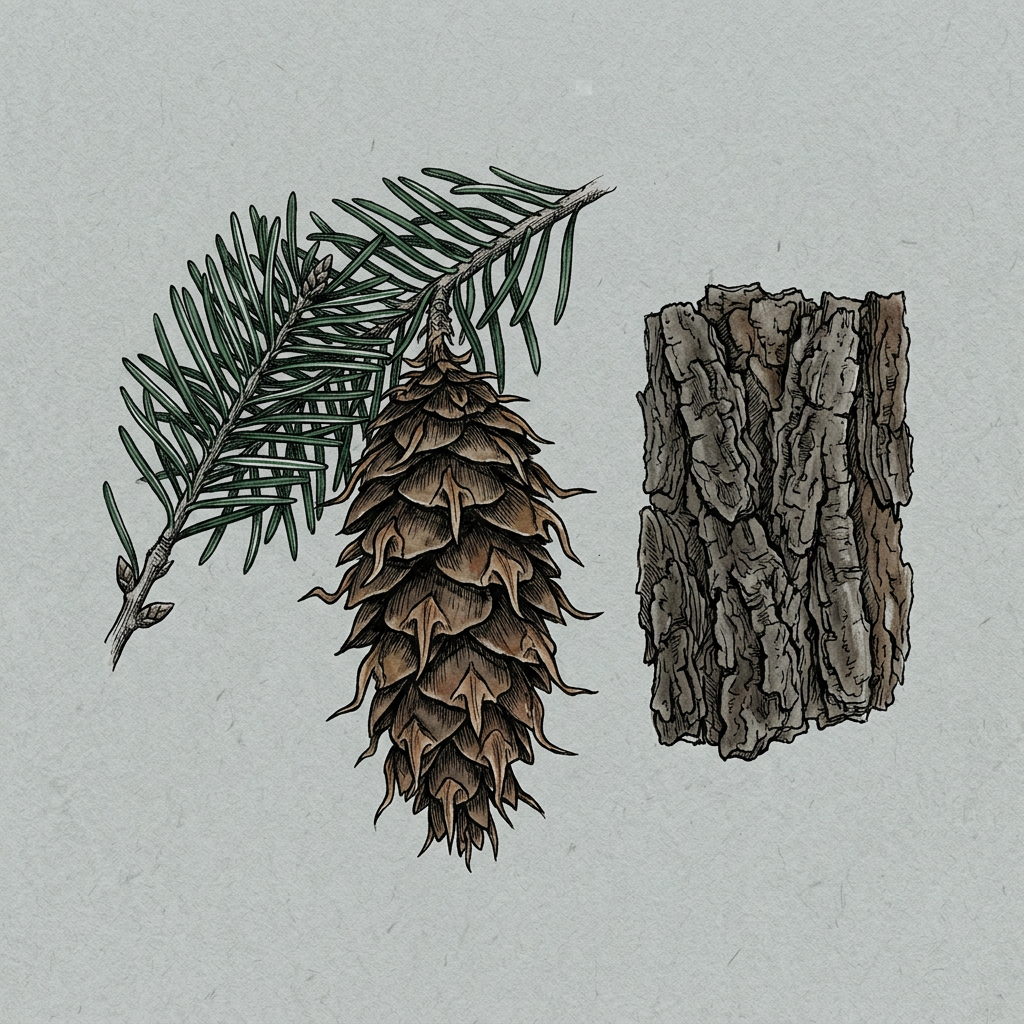
Conifer
Douglas Fir
Pseudotsuga menziesii
- Removed on permits
- 455
- Largest recorded
- 53"
Identify: Cones with three-pointed bracts poking out between the scales; thick, deeply furrowed bark on older trees.
The dominant tree of the forest that once covered Seattle and the timber that built the early city. Mature firs are among the tallest trees still standing here.
See douglas fir records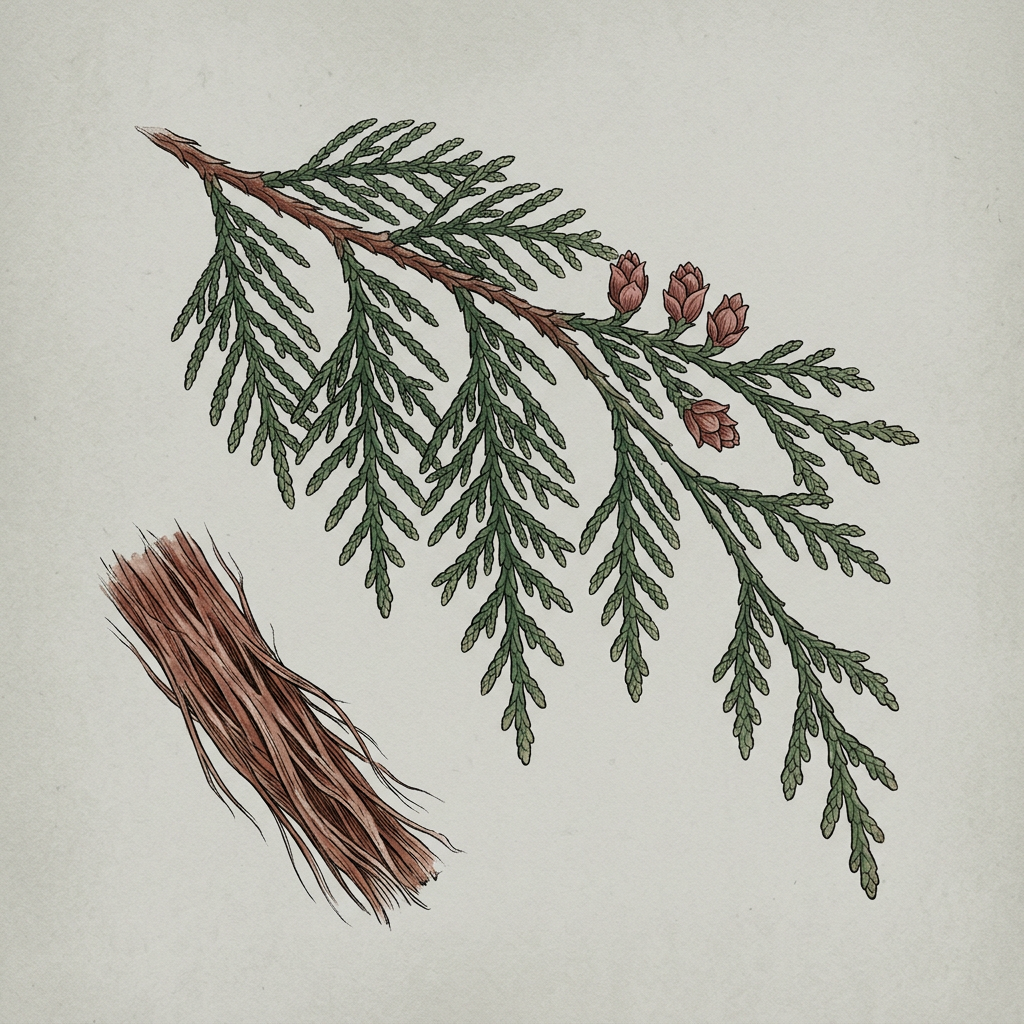
Conifer
Western Red Cedar
Thuja plicata
- Removed on permits
- 329
- Largest recorded
- 77"
Identify: Flat, braided sprays of scale-like foliage that droop from upturned branches; fibrous, stringy reddish bark.
Central to Coast Salish life — canoes, longhouse planks, baskets and clothing came from its wood and bark. It thrives in moist ground and can live for centuries.
See western red cedar records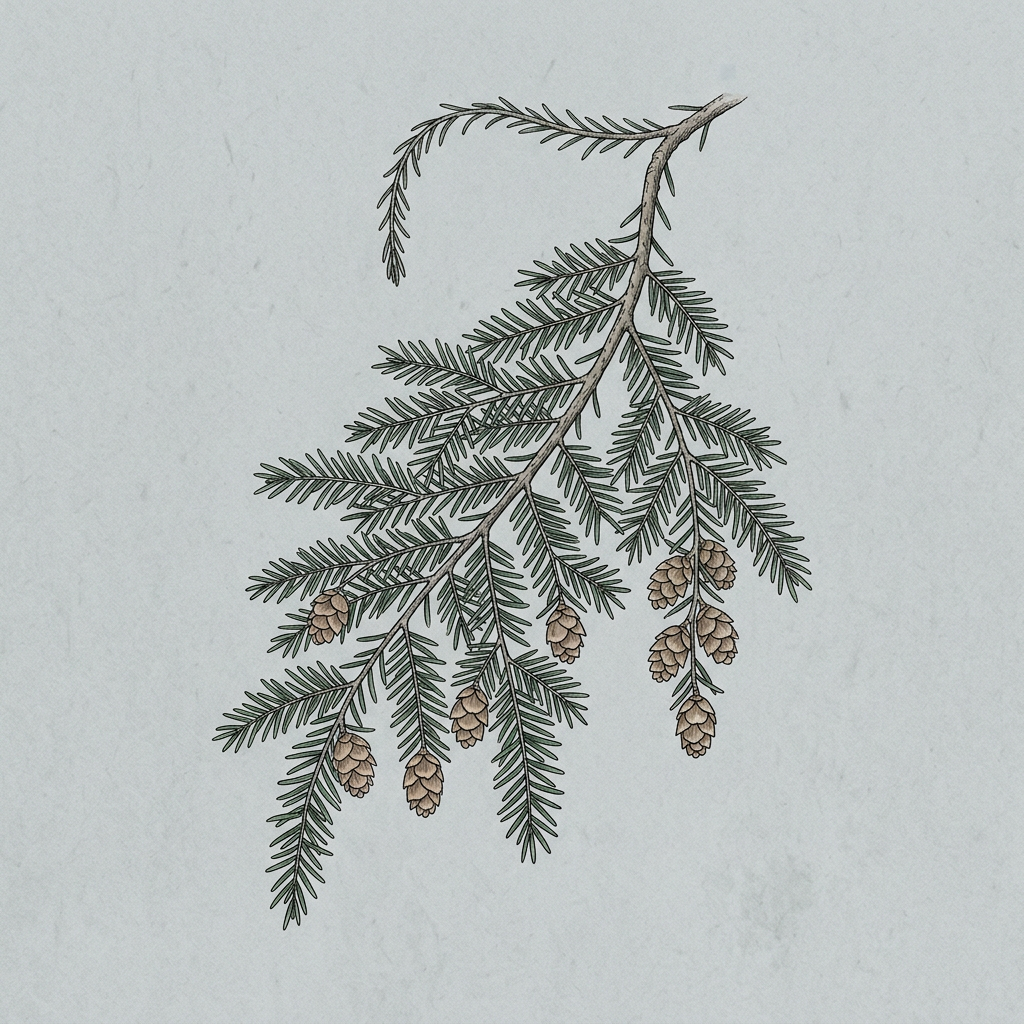
Conifer
Western Hemlock
Tsuga heterophylla
- Removed on permits
- 170
- Largest recorded
- 62"
Identify: Soft, feathery foliage with needles of uneven length and a leader that droops at the very top.
Washington's state tree. Highly shade tolerant, it fills the understory of mature forest and eventually rises to replace older firs.
See western hemlock records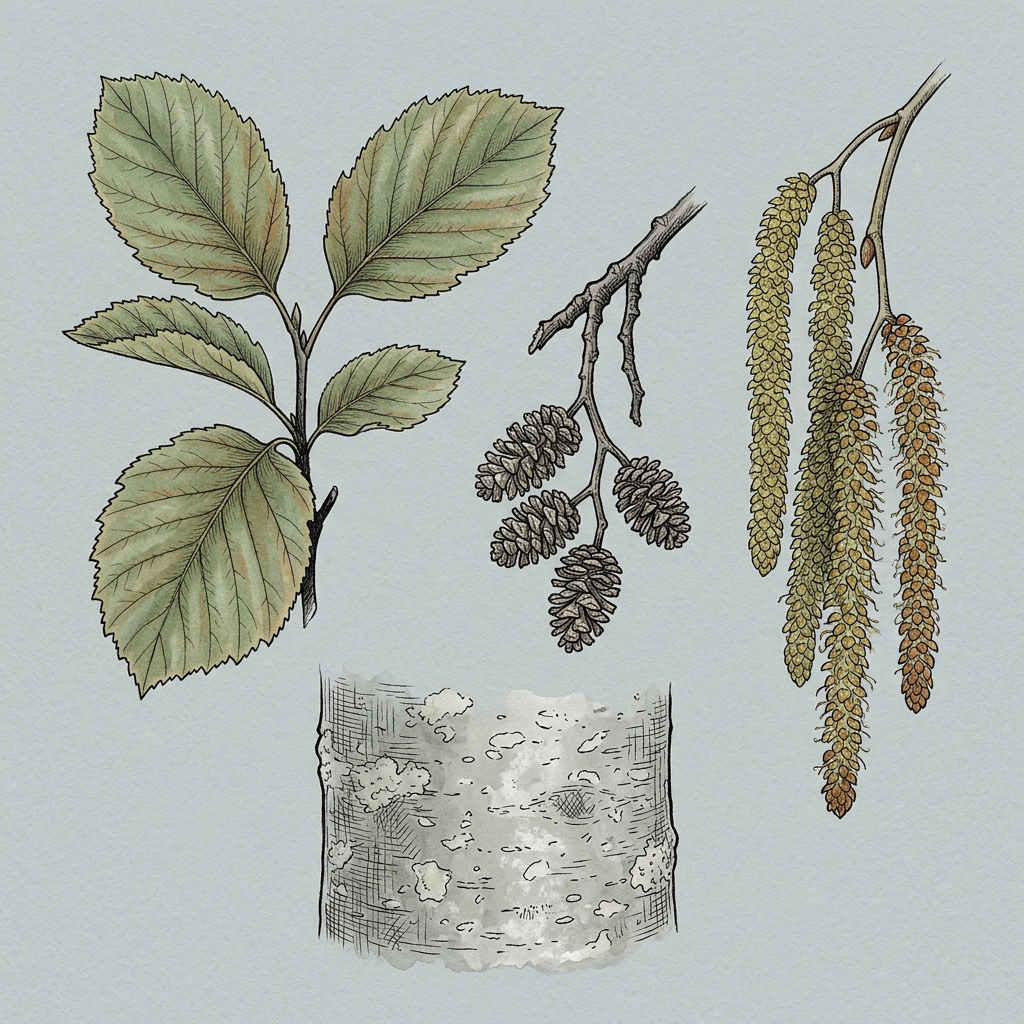
Broadleaf
Red Alder
Alnus rubra
- Removed on permits
- 125
- Largest recorded
- 36"
Identify: Smooth pale gray bark, often patched white with lichen; small woody cones that persist through winter.
A fast-growing pioneer that fixes nitrogen in the soil, alder was among the first trees to return to Seattle's logged and regraded hillsides.
See red alder records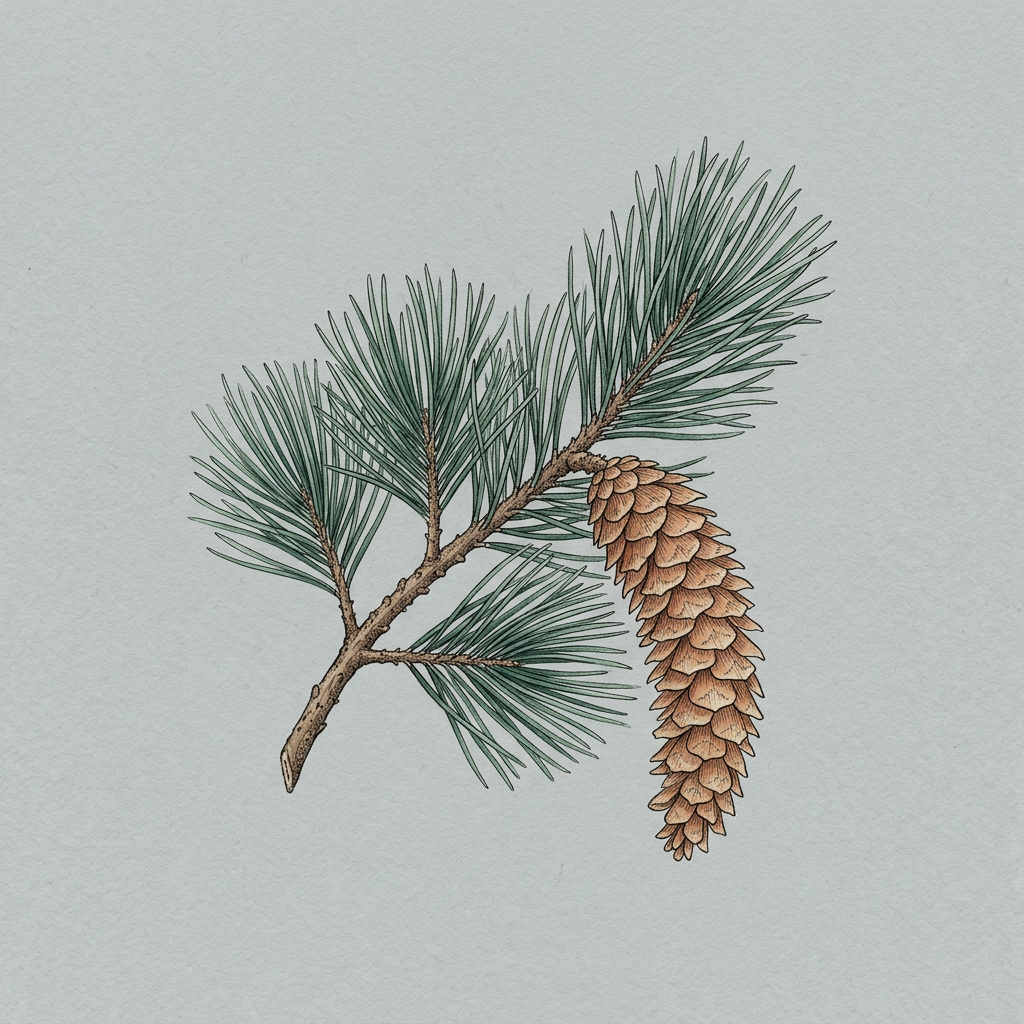
Conifer
Western White Pine
Pinus monticola
- Removed on permits
- 120
- Largest recorded
- 58"
Identify: Soft blue-green needles in bundles of five and long, slender, slightly curved cones.
Once common across the region, it was devastated by white pine blister rust last century. Large survivors in Seattle yards are now a remnant of that population.
See western white pine records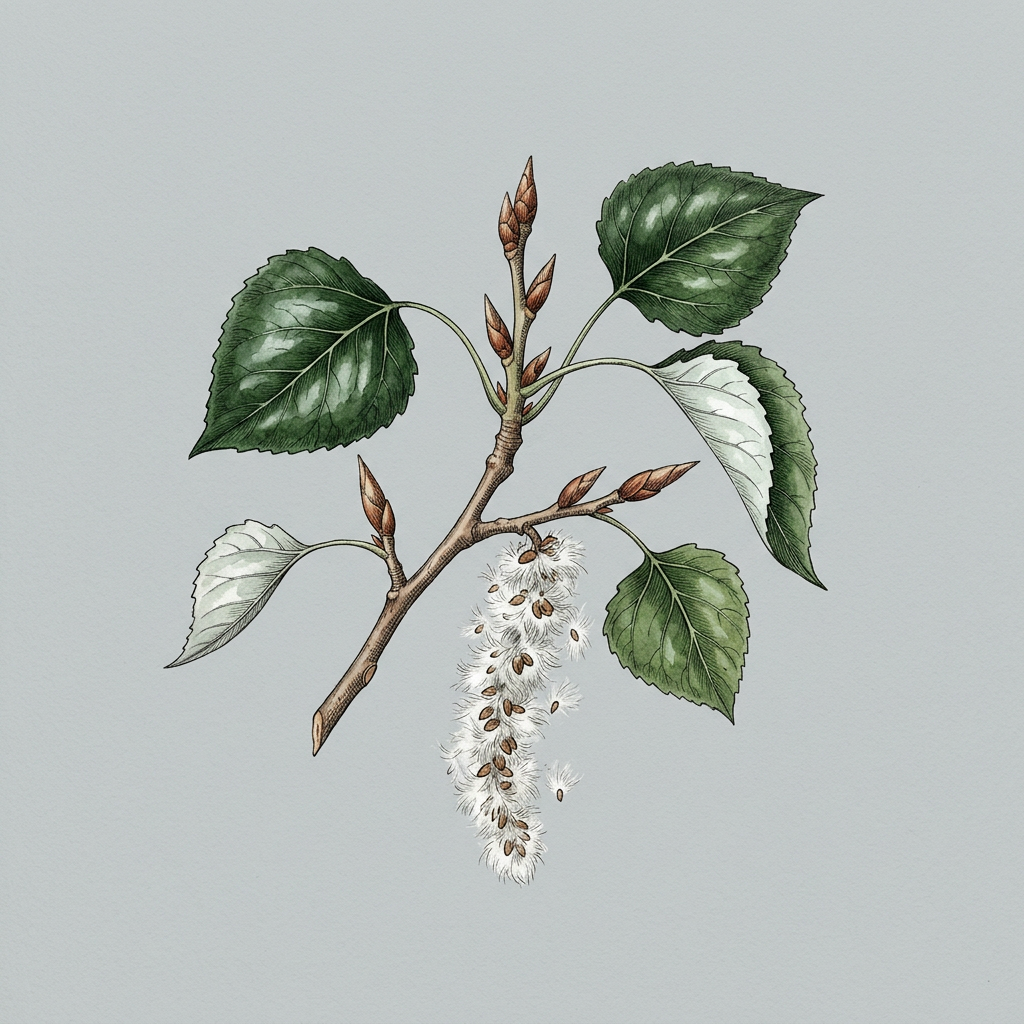
Broadleaf
Black Cottonwood
Populus trichocarpa
- Removed on permits
- 91
- Largest recorded
- 83"
Identify: Broad, pointed leaves that are silvery underneath; sticky buds with a sweet balsam scent in spring.
The tallest native broadleaf tree in the Northwest. It lines streams and shorelines, shading water for salmon and holding banks together.
See black cottonwood records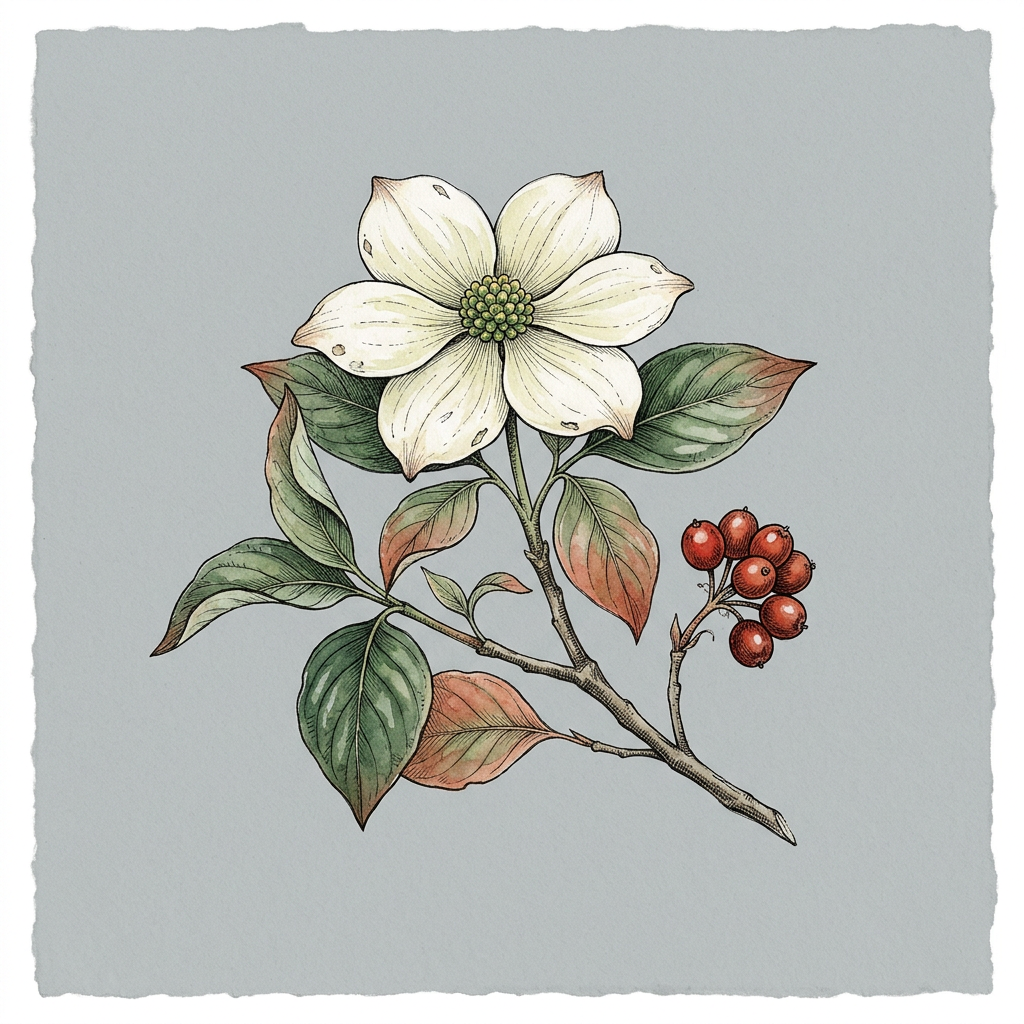
Broadleaf
Pacific Dogwood
Cornus nuttallii
- Removed on permits
- 50
- Largest recorded
- 37"
Identify: Large creamy-white bracts around a green button of tiny flowers in spring; clusters of red berries in fall.
A forest-edge understory tree increasingly threatened by dogwood anthracnose, a fungal disease. Mature specimens are becoming uncommon.
See pacific dogwood records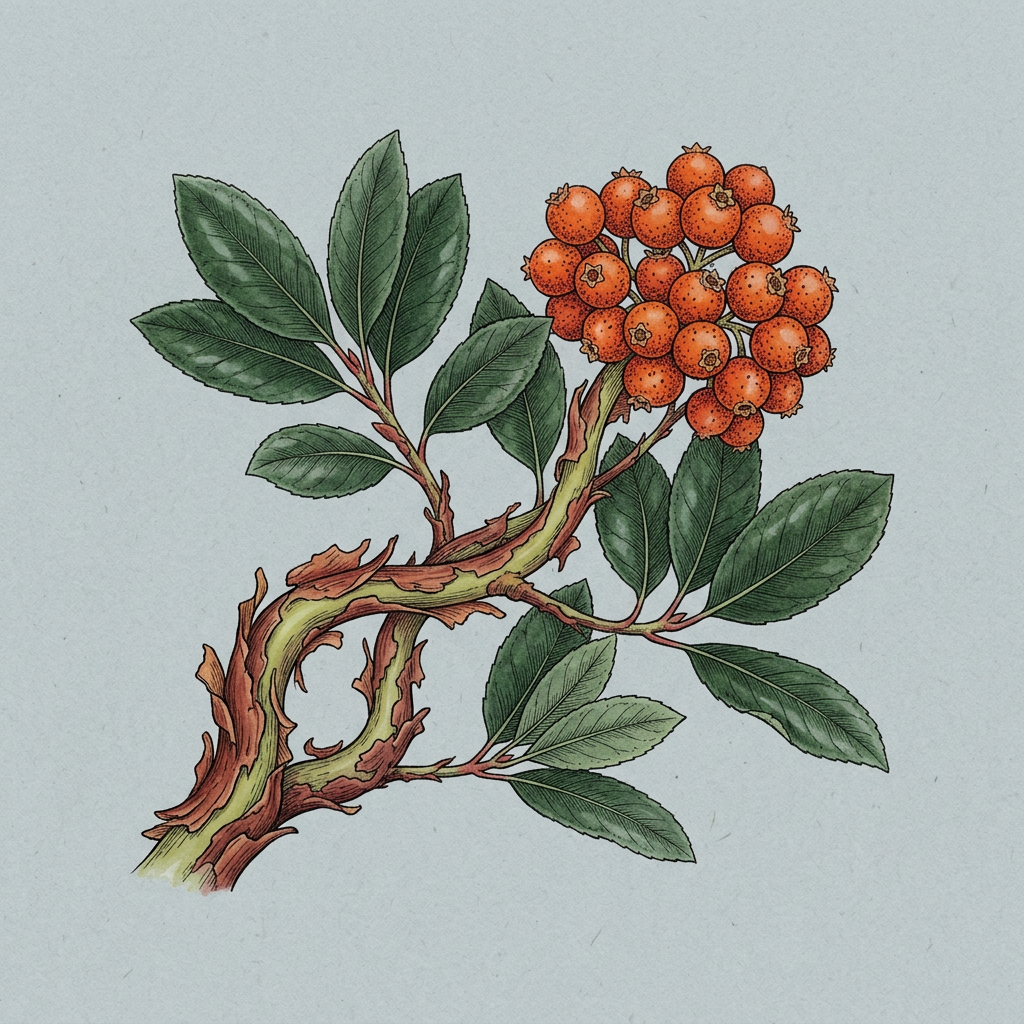
Broadleaf evergreen
Pacific Madrona
Arbutus menziesii
- Removed on permits
- 56
- Largest recorded
- 48"
Identify: Peeling cinnamon-red bark that reveals smooth green wood beneath; glossy evergreen leaves and orange-red berries.
Clings to dry bluffs and shorelines and gives the Madrona neighborhood its name. It is difficult to replant successfully, so each mature tree lost is hard to replace.
See pacific madrona records
Illustrations are representative, not photographs of recorded trees. Trunk sizes are diameter at standard height (DSH) as reported to SDCI.
Telling the native conifers apart
Notices and permits often say only “conifer” or give a species name you may not recognize from the sidewalk. Here's one feature to look for on each of Seattle's eight native conifers.
Douglas Fir
Hanging cones with three-pointed bracts poking out between the scales.
455 removed on permits
Western Red Cedar
Flat, scale-like sprays instead of needles; stringy red-brown bark.
329 removed on permits
Western Hemlock
Drooping top; short needles of uneven length; tiny cones.
170 removed on permits
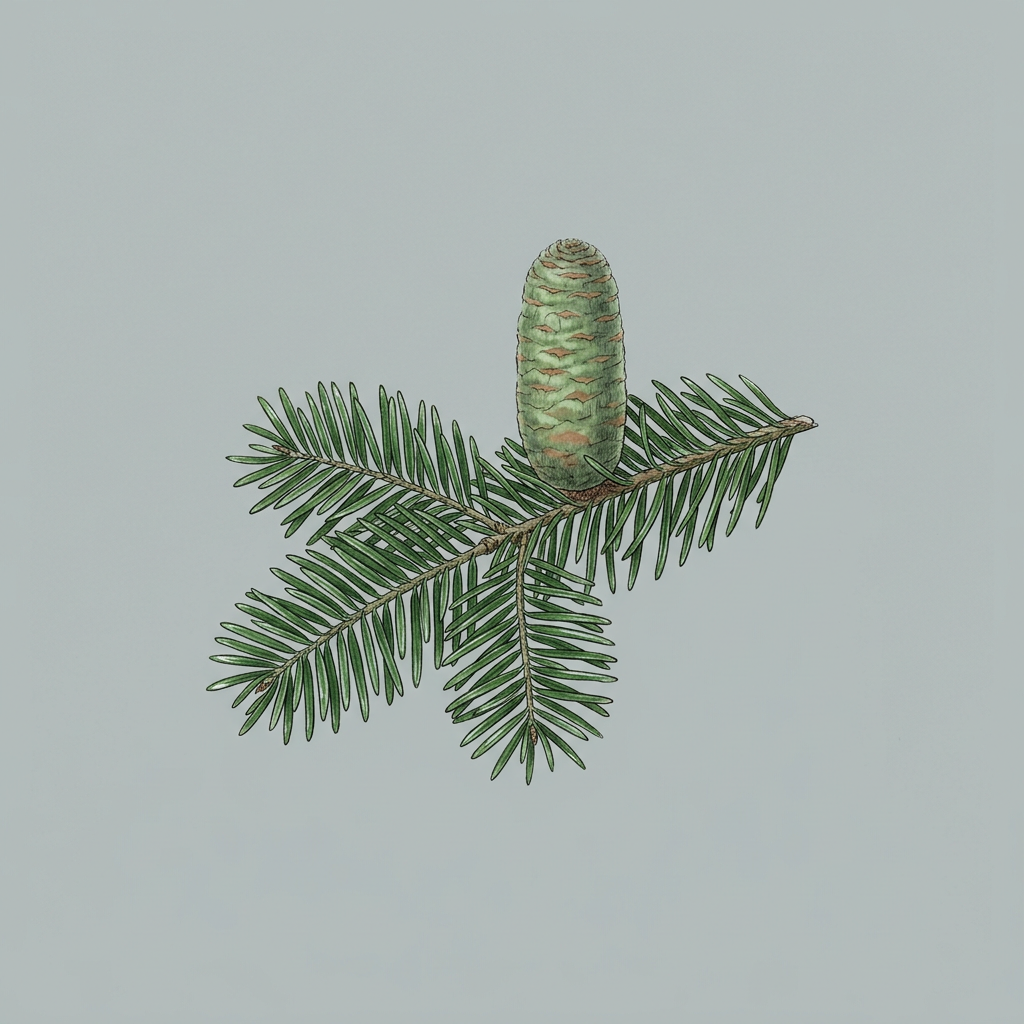
Grand Fir
Flat needles in two neat rows, notched tips; cones stand upright.
37 removed on permits
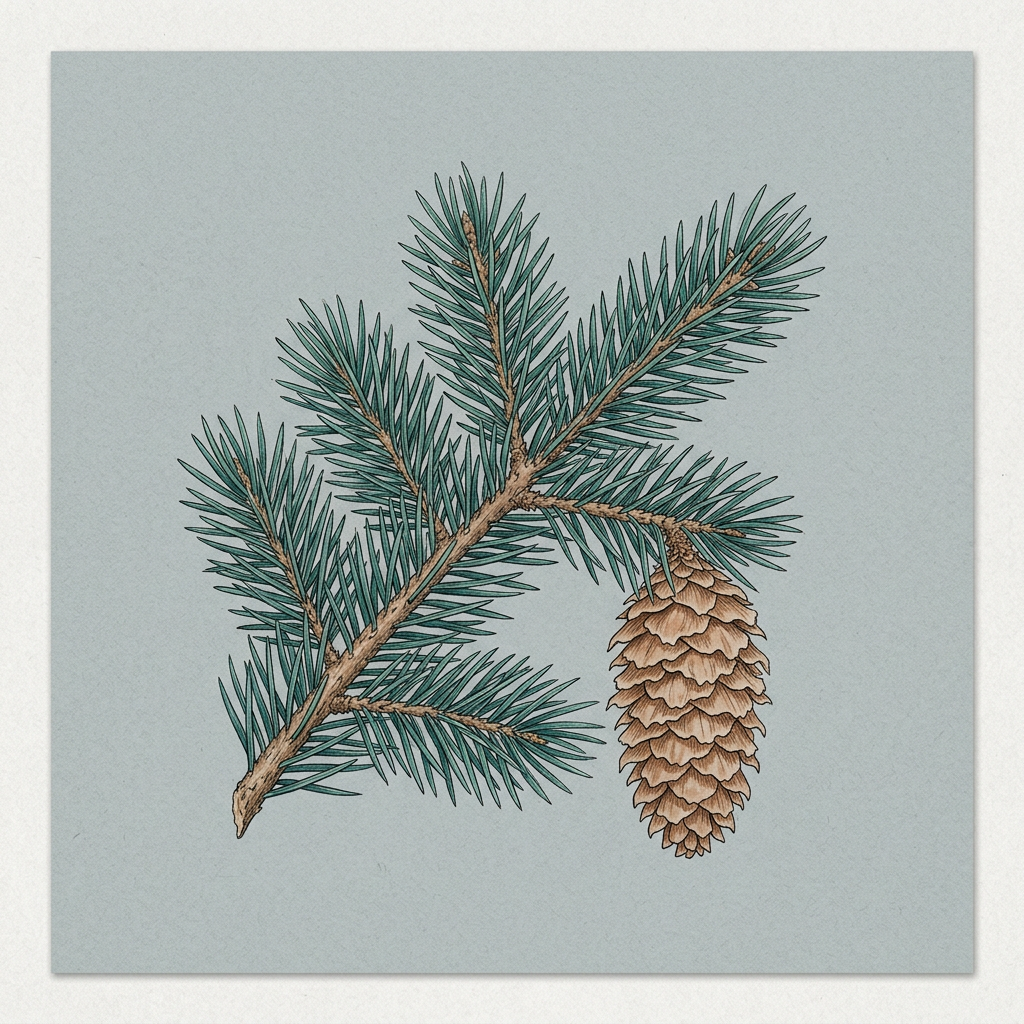
Sitka Spruce
Stiff, sharp needles all around the twig; papery hanging cones.
9 removed on permits
Western White Pine
Soft needles in bundles of five; long, slender curved cones.
120 removed on permits
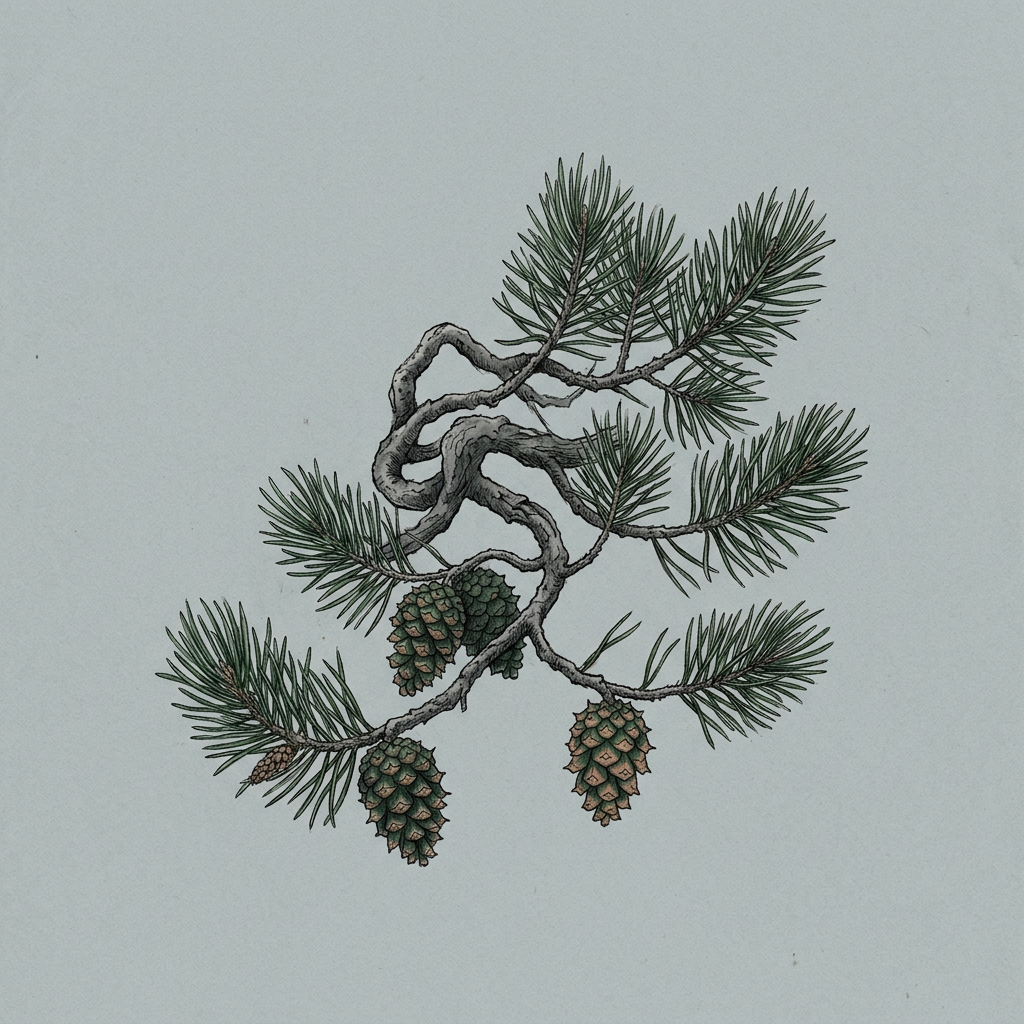
Shore Pine
Short needles in pairs; small, lopsided prickly cones.
51 removed on permits
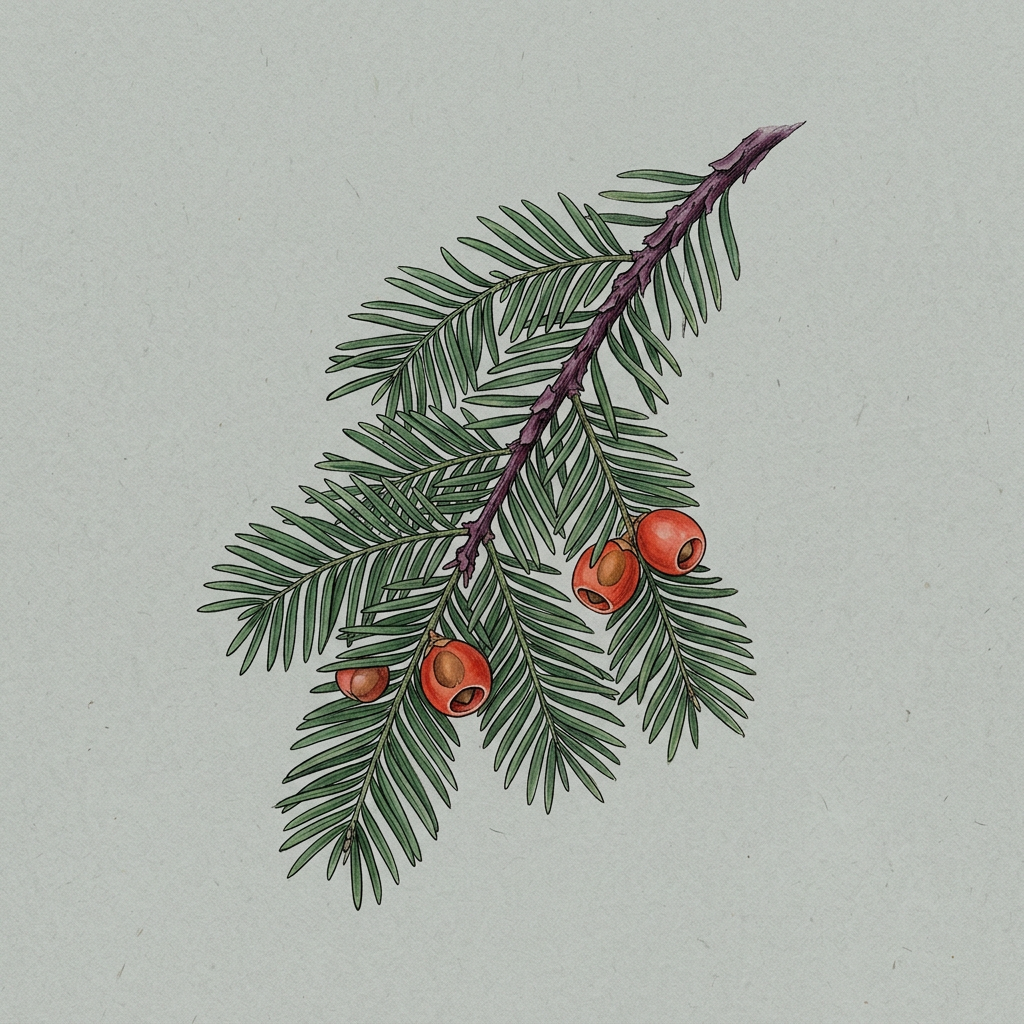
Pacific Yew
Flat soft needles; red berry-like arils, no cones; flaking purplish bark.
2 removed on permits
Native species index
Every Washington-native tree and large shrub we found in the permit records: 29 species, 2,368 trees removed. Genus-only entries, cultivars and species native elsewhere in North America are left out.
Native to the Puget lowland
| Species | Removed | Exceptional | Largest | Why it matters |
|---|---|---|---|---|
| Bigleaf MapleAcer macrophyllum | 577 | 208 | 75" | Moss-draped canopy giant; the most-removed native. |
| Douglas FirPseudotsuga menziesii | 455 | 116 | 53" | Dominant tree of Seattle's original forest. |
| Western Red CedarThuja plicata | 329 | 87 | 77" | Cultural keystone for Coast Salish peoples. |
| Western HemlockTsuga heterophylla | 170 | 78 | 62" | Washington's state tree. |
| Red AlderAlnus rubra | 125 | — | 36" | Nitrogen-fixing pioneer of disturbed ground. |
| Western White PinePinus monticola | 120 | 79 | 58" | Survivor of the blister-rust epidemic. |
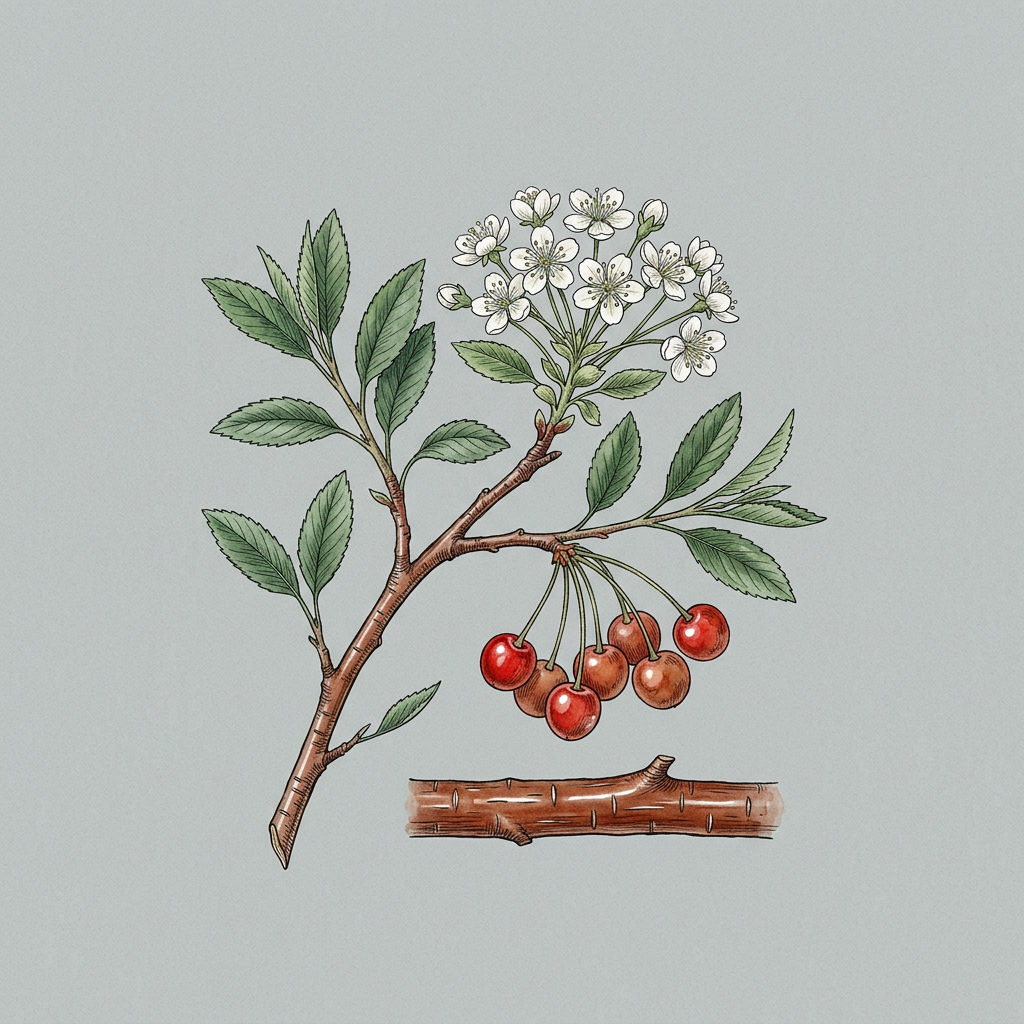 Bitter CherryPrunus emarginata Bitter CherryPrunus emarginata | 100 | 1 | 30" | Bark strips were used to wrap and decorate baskets. |
| Black CottonwoodPopulus trichocarpa | 91 | 16 | 83" | Tallest native broadleaf; shades salmon streams. |
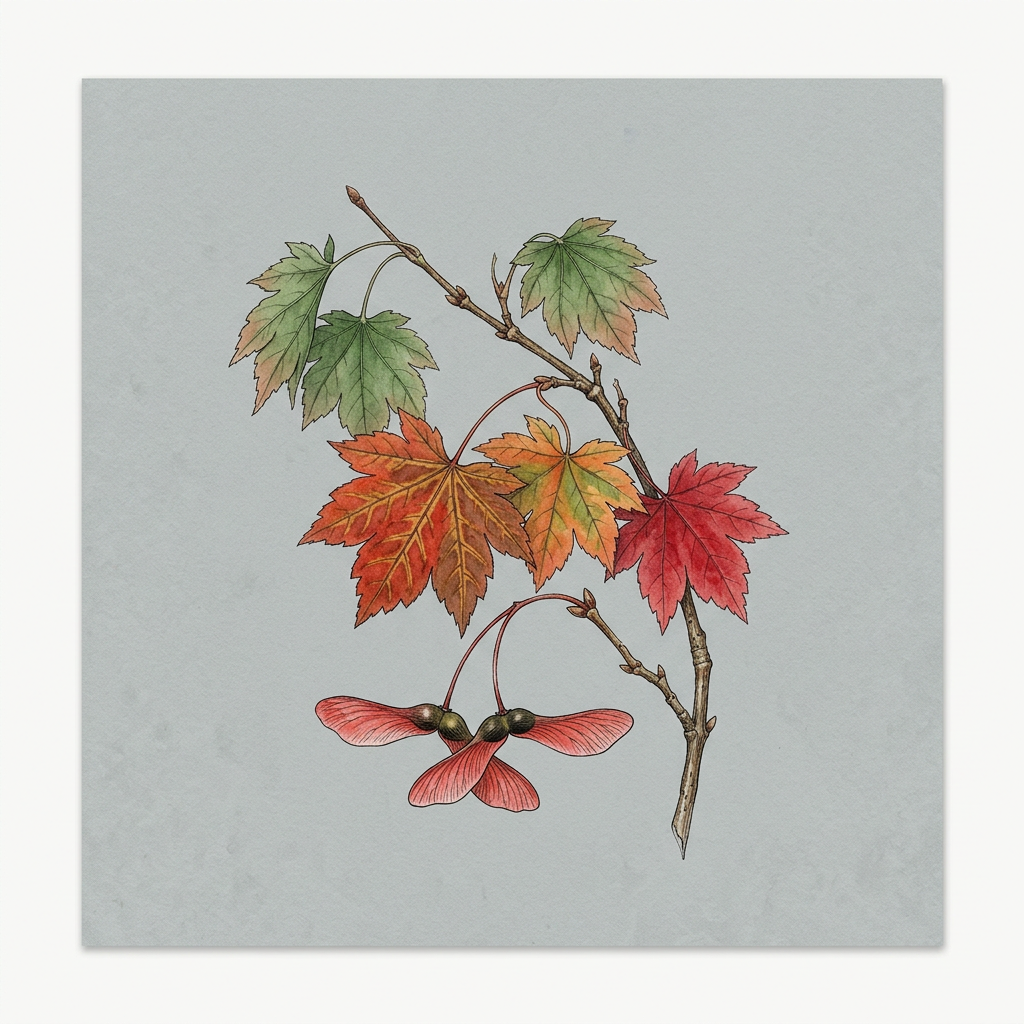 Vine MapleAcer circinatum Vine MapleAcer circinatum | 73 | 39 | 20" | Understory maple with brilliant fall color. |
| Pacific MadronaArbutus menziesii | 56 | 56 | 48" | Bluff-dweller that rarely survives transplanting. |
| Shore PinePinus contorta 'contorta' | 51 | 42 | 44" | Wind-shaped pine of coastal bluffs and bogs. |
| Pacific DogwoodCornus nuttallii | 50 | 50 | 37" | Declining from dogwood anthracnose. |
| Grand FirAbies grandis | 37 | 10 | 49" | Tall fir with flat, two-ranked needles and upright cones. |
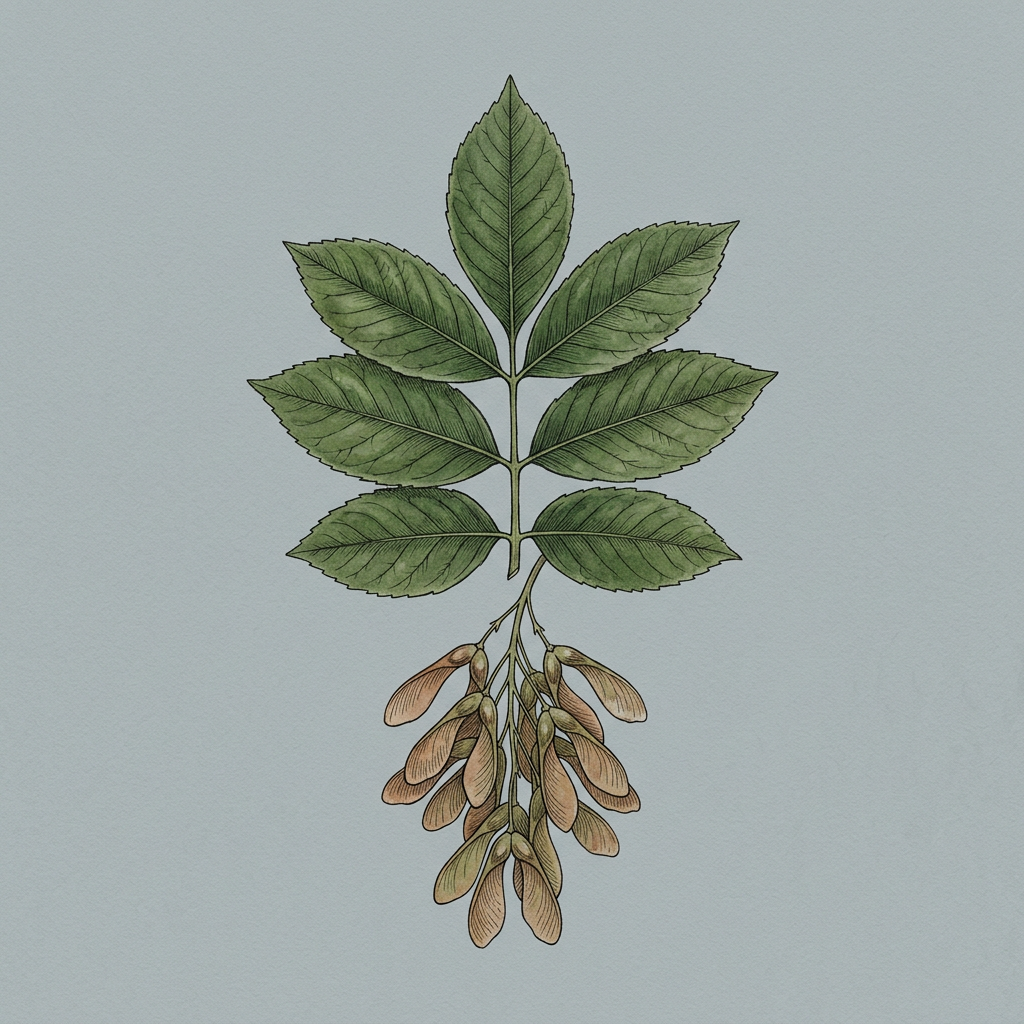 Oregon AshFraxinus latifolia Oregon AshFraxinus latifolia | 29 | 3 | 32" | Wetland tree now at risk from the emerald ash borer. |
| Sitka SprucePicea sitchensis | 9 | 9 | 31" | Fog-loving coastal spruce with sharp needles. |
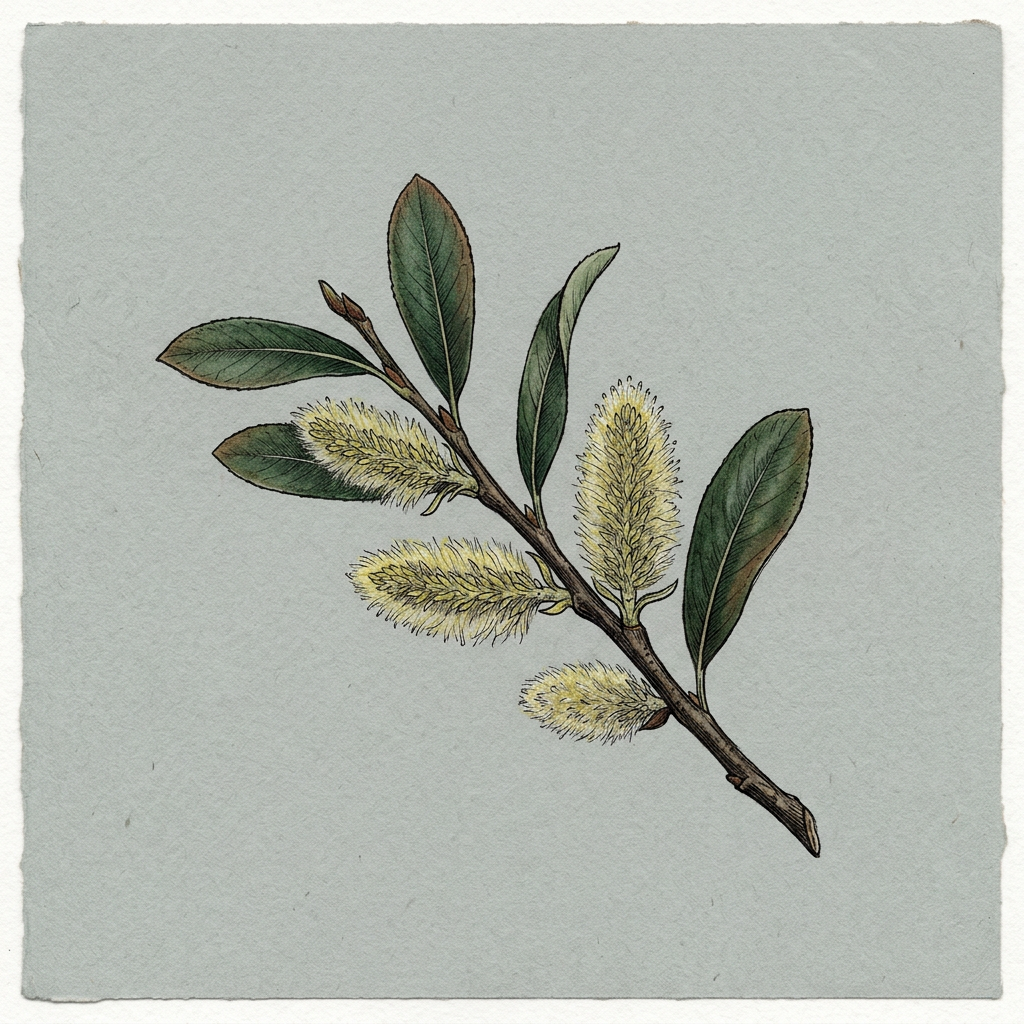 Scouler's WillowSalix scouleriana Scouler's WillowSalix scouleriana | 8 | 8 | 28" | Upland willow; early nectar for native bees. |
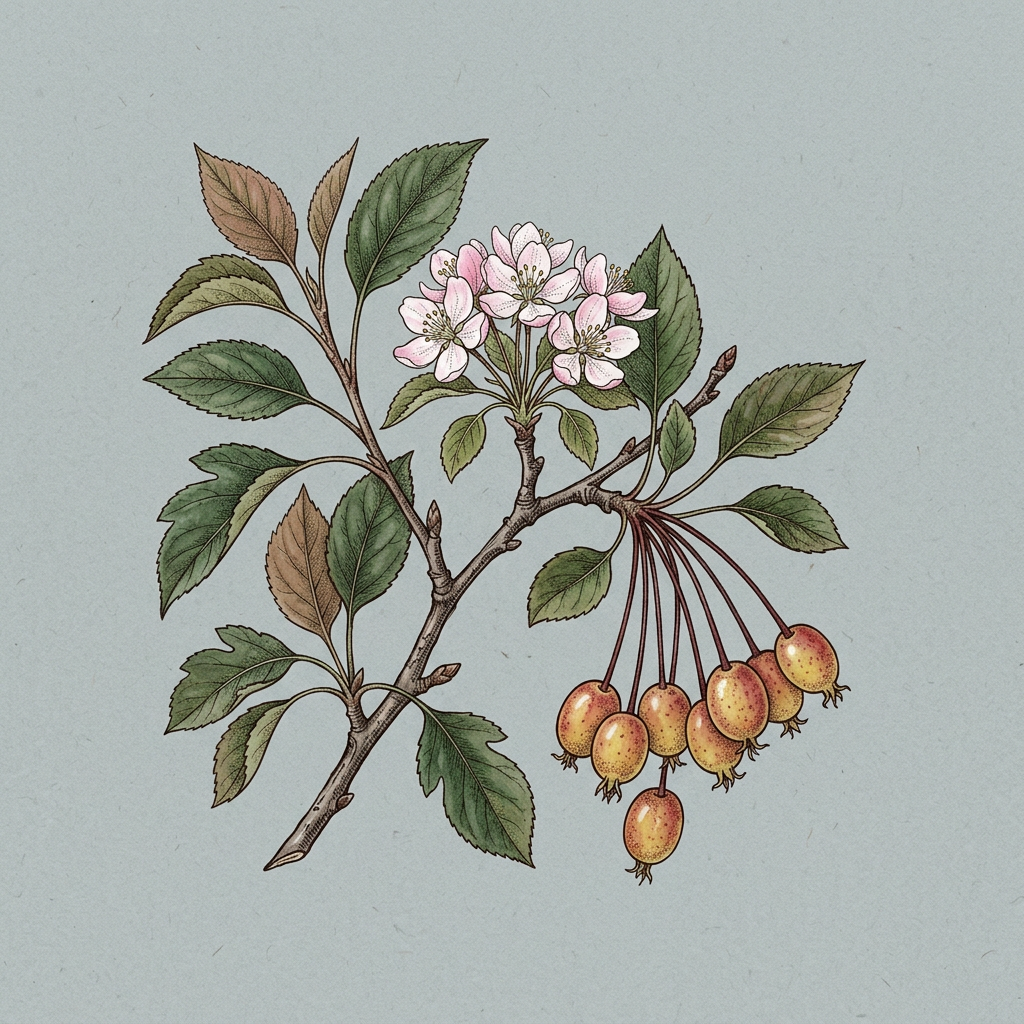 Pacific CrabappleMalus fusca Pacific CrabappleMalus fusca | 7 | 2 | 17" | The only apple native to the region; its fruit was a traditional food. |
| Black HawthornCrataegus douglasii | 4 | 4 | 22" | Thicket-forming native hawthorn with dark fruit. |
| Beaked HazelnutCorylus cornuta | 3 | — | 18" | Understory shrub-tree producing native hazelnuts. |
| Hooker's WillowSalix hookeriana | 3 | 3 | 25" | Coastal willow that stabilizes dunes and shorelines. |
| Pacific WillowSalix lasiandra | 2 | 2 | 26" | Streamside willow important for riparian habitat. |
| Pacific YewTaxus brevifolia | 2 | 2 | 14" | Slow-growing source of the cancer drug paclitaxel. |
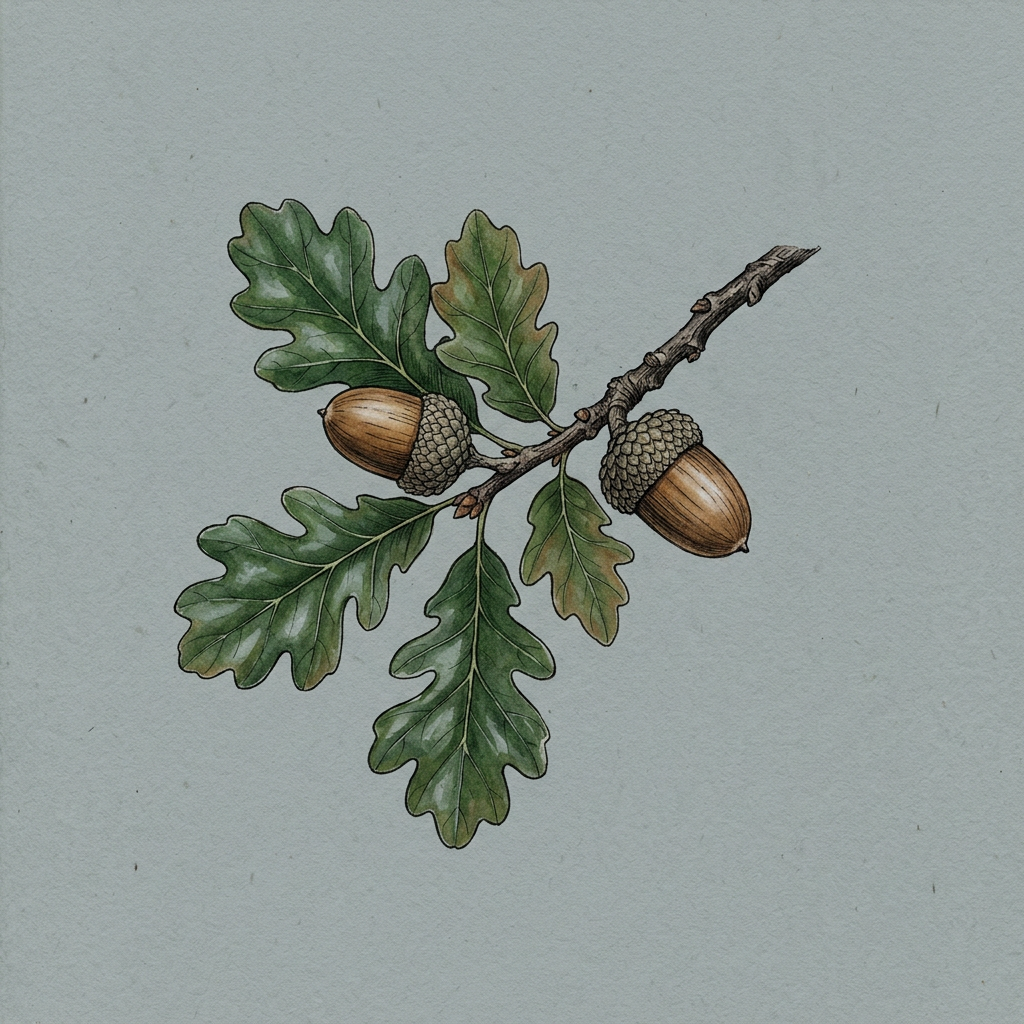 Garry OakQuercus garryana Garry OakQuercus garryana | 1 | 1 | 10" | Washington's only native oak; prairies once kept open by Indigenous burning. |
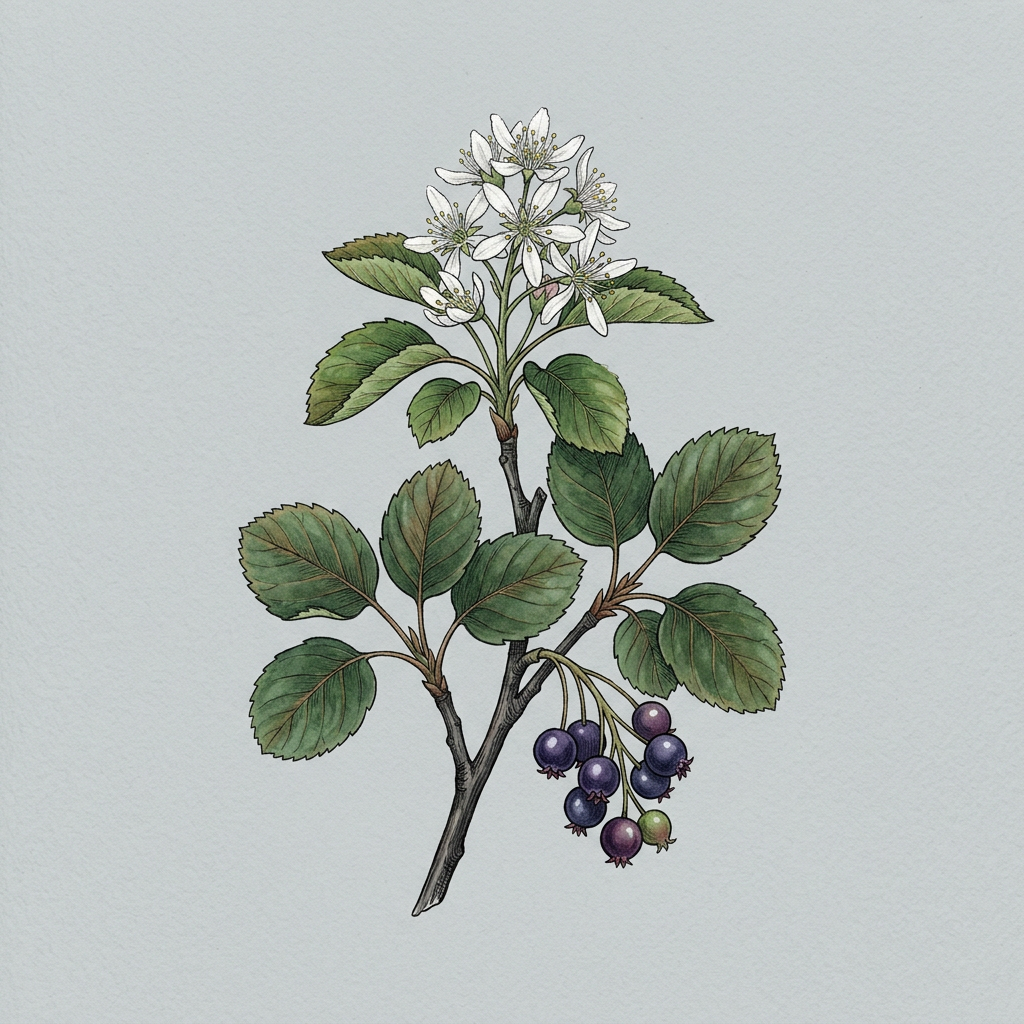 Western ServiceberryAmelanchier alnifolia Western ServiceberryAmelanchier alnifolia | 1 | 1 | 7" | Spring blossom and berries valued by people and birds. |
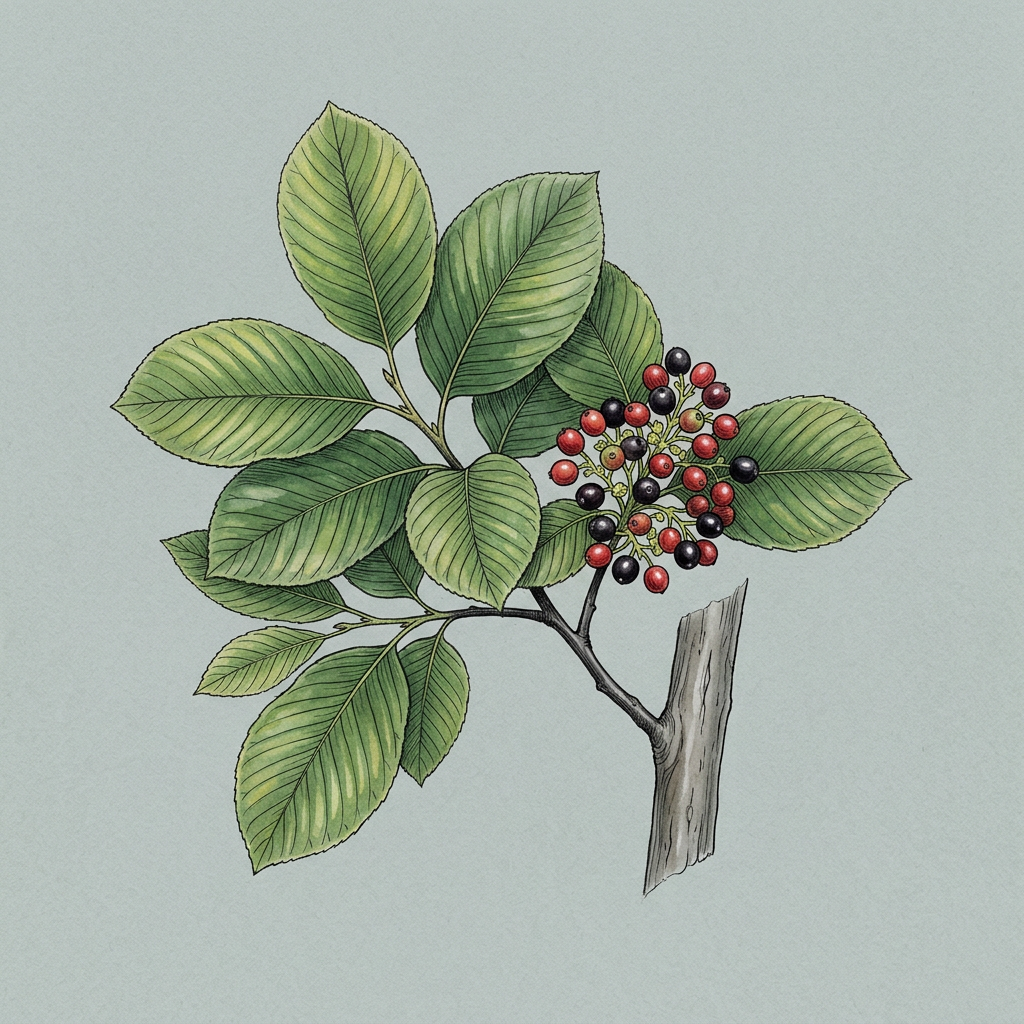 CascaraRhamnus purshiana CascaraRhamnus purshiana | 1 | 1 | 10" | Bark was harvested as a medicinal laxative. |
Native elsewhere in Washington, usually planted here
| Species | Removed | Exceptional | Largest | Why it matters |
|---|---|---|---|---|
| Quaking AspenPopulus tremuloides | 38 | 9 | 26" | Scattered in the lowland; widespread inland. |
| Alaska Yellow CedarChamaecyparis nootkatensis | 15 | 1 | 40" | Mountain species, usually planted in the city. |
| Lodgepole PinePinus contorta 'latifolia' | 9 | 9 | 23" | Inland form of shore pine, usually planted here. |
| ChokecherryPrunus virginiana | 2 | — | 14" | More common east of the Cascades. |